No new measles cases in South Carolina for a week, but CDC outbreak models warn about underreporting
Trending News

Audio By Carbonatix
11:35 AM on Thursday, April 2
By Alison Young for Healthbeat, Stacker

No new measles cases in South Carolina for a week, but CDC outbreak models warn about underreporting
For the first time since South Carolina’s record-breaking measles outbreak began last fall, the state has gone a full week without health officials learning of any new cases.
It’s an encouraging sign that the outbreak — which has 997 documented cases — may be nearing its end. However, a report from outbreak modelers at the Centers for Disease Control and Prevention, completed earlier this month, raises questions about how many measles infections have been going unreported.
“There are likely some undocumented cases of measles in the affected region, raising the risk of spread to other populations in the region or nearby regions,” according to the March 3 risk assessment from the CDC’s Center for Forecasting and Outbreak Analytics.
The assessment says the extent of this underreporting is among several key uncertainties in predicting the future of the largest U.S. measles outbreak in decades.
Before the outbreak can be declared over, there must be a period of 42 days with no new cases — an important sign that chains of transmission of the virus have been broken. The last day of the outbreak would be April 26 if no more cases are reported, Dr. Linda Bell, South Carolina’s state epidemiologist, said Wednesday.
“We remain concerned about the possibility of unrecognized measles transmission, and we remain vigilant in monitoring any potential cases and spread,” Bell said.
Bell noted that the CDC’s modeling report was completed three weeks ago.
“Since that time, our measles case reports have continued to decline, our surveillance systems indicate this trend reflects a true decrease and not people avoiding health care,” Bell told Healthbeat.
Tests of wastewater in the outbreak area are not detecting measles, nor is there any sign from people going to emergency departments for measles-like symptoms, she said.
CDC officials did not grant interviews, and the agency’s written statements did not answer Healthbeat’s questions about information in the agency’s measles outbreak forecast report for South Carolina.
Scott Thorpe, executive director of the Southern Alliance for Public Health Leadership, said he thinks the state health department is using the best data it has available in its announcements on March 20 and again March 24 that no new measles cases had been reported.
“I think it’s very unlikely we’re at zero,” Thorpe said. “One of the really challenging, frustrating things about measles is that there absolutely can be cases we don’t catch, mild cases in particular.”
The last time South Carolina’s health department reported zero measles cases was on Tuesday, Nov. 4, when the outbreak had just 34 cases. But by Friday, Nov. 7, a case was reported, department records show. State health officials provide case number updates only on Tuesdays and Fridays.
Thorpe said he continues to be concerned about the upcoming spring break travel period increasing measles cases in the area. Many schools in Spartanburg County, where the outbreak is centered, are scheduled to be off for spring break during April 6-10.
It’s a concern Bell has previously expressed as well. South Carolina’s outbreak surged after the winter holiday break period.
‘Inconsistent’ or ‘sub-optimal’ compliance with isolation, quarantine
Outbreak modeling teams at the CDC have produced three “outbreak scenario” assessments for the South Carolina measles outbreak, the first on Jan. 2, plus two updates on Jan. 20 and March 3.
“Throughout the outbreak, our assessment consistently indicated that a larger outbreak, lasting at least six months, with some spread beyond the affected community, is the most likely outcome,” the agency’s outbreak modelers said in a March 6 web post that detailed their assessments.
The South Carolina outbreak was first identified in early October with five known cases.
As of early March, the CDC modelers said positive signs for the outbreak were that the rate of new cases was declining and that there were zero or minimal cases “outside of the affected community in the affected region” and that exposure settings affecting the “general population” had become limited or infrequent. Another positive sign: The number of households, schools, churches, and health care facilities with ongoing measles transmission was limited — a significant improvement from mid- to late January when the outbreak surged.
But in addition to concerns about the likelihood of some underreporting of measles cases, the CDC modelers also wrote that compliance with stay-at-home recommendations by infected and exposed people was “sub-optimal or inconsistent,” and that there had only been low to moderate immunization with the measles-mumps-rubella (MMR) vaccine among unvaccinated people in the area.
“Currently, there is no evidence that unvaccinated residents of the affected region are receiving MMR vaccine in high enough numbers to substantially reduce transmission,” the CDC report said.
However, Bell, who is leading South Carolina’s outbreak response, credits increased measles vaccination in recent months as a key reason the number of new measles cases being identified has slowed to a trickle throughout March and to zero reported in the past week. She said that in addition to people who got vaccinated, it is also important to consider that the nearly 1,000 people sickened with measles in the outbreak also acquired protective immunity to the virus through their infections. “That is a very risky way to get immunity,” she said.
“I should also add that our disease containment strategies, our investigation of cases while they’re infectious, and making sure that people remain in isolation, and making sure that people have guidance about being in quarantine, also contributes to preventing ongoing transmission in communities,” Bell said.
CDC forecasts note ‘close-knit’ low-vaccination community
The CDC modelers noted that Spartanburg County, where the outbreak has been concentrated, “is home to a large, close-knit community of about 15,000 people with low vaccination coverage,” and that in schools countywide, just 88.9% of students are vaccinated against measles, compared to a statewide average of 93.7%.
To stop measles from spreading within communities, 95% of the population needs to be vaccinated.
Neither the CDC nor South Carolina’s state health department would identify the “close-knit” community referenced in the CDC outbreak modeling assessments. However, state health officials have previously acknowledged outbreak cases and multiple exposure incidents at Slavic-language churches whose members speak Ukrainian and Russian, as well as schools serving students from those communities.
Vaccine hesitancy among Ukrainian and Russian-speaking communities in the United States has been fueled in part by historic distrust of the former Soviet government and its health system, health officials in other states have found.
The CDC’s outbreak assessment updated on March 3 says that the “size of close-knit communities with low vaccination coverage” in the outbreak area, as well as their level of connection to other similar communities across South Carolina, is a key uncertainty in predicting the outbreak’s future path.
The assessment notes that much is unknown about the extent of measles vaccination coverage in the region, “particularly among close-knit, under-vaccinated communities.” Use of school vaccination data can be used to help estimate community-wide immunization rates, the report said, but rates vary widely in the region.
Some of South Carolina’s earliest known outbreak cases and exposures involved Global Academy of South Carolina, a public charter school in Spartanburg whose founders are Ukrainian immigrants. Only 21% of Global Academy’s students were up-to-date on their school vaccinations, according to state data.
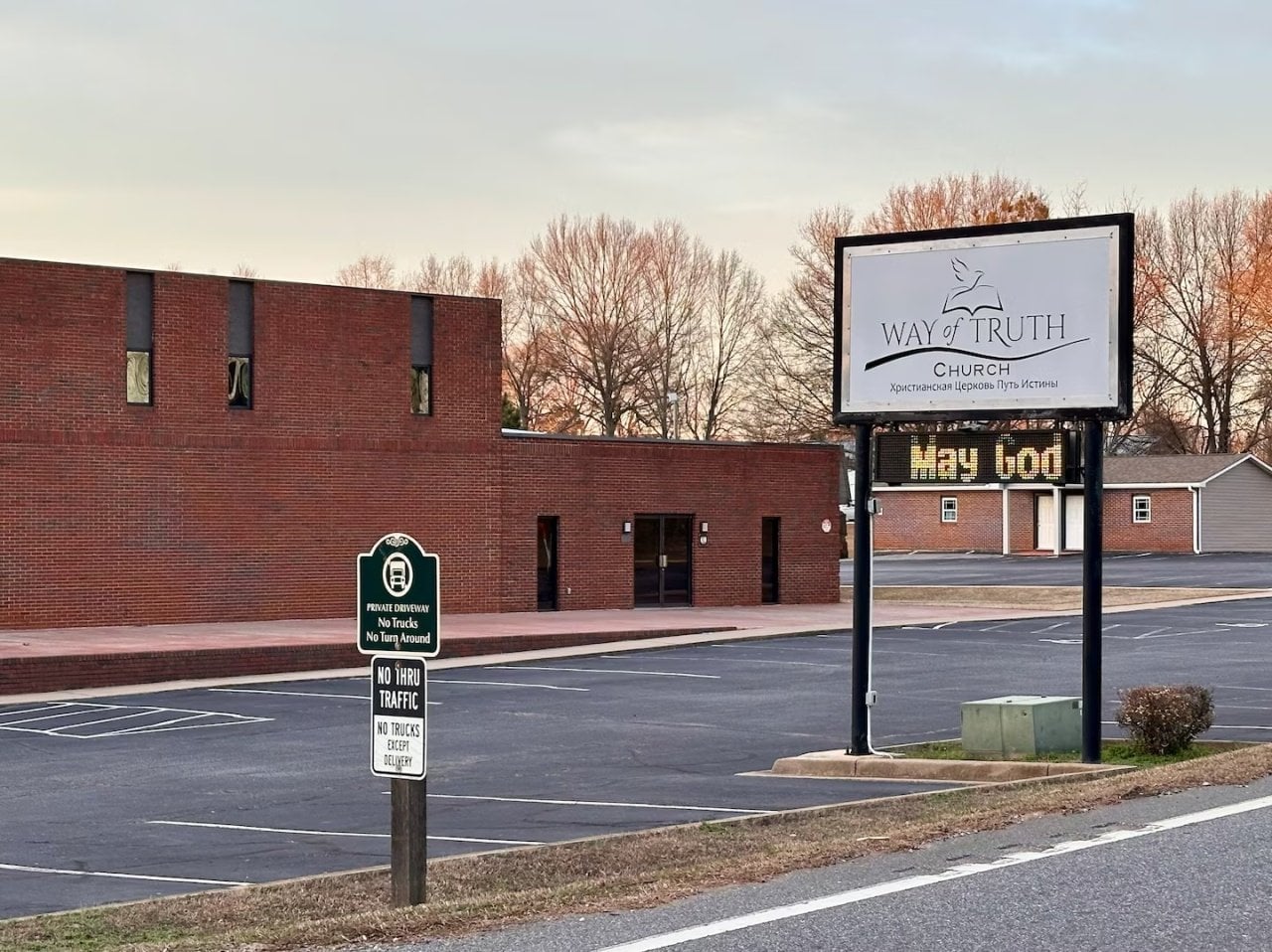
One church, Way of Truth Church in Inman, S.C., was identified as the location of an outbreak exposure incident in early November that resulted in at least 30 measles infections during the weeks that followed, according to state outbreak updates. Over the Christmas holiday period, multiple Slavic churches were associated with measles cases and exposure incidents, according to state outbreak updates. School and church officials have declined or not responded to past interview requests.
‘Intrusion into your life’ when families seek care for measles
Another key uncertainty impacting the future of the outbreak, according to the CDC outbreak modelers, is how quickly people who are experiencing measles symptoms or who have been exposed get tested and seek health care.
The report says “avoidance of testing or health care could give the impression that transmission is slowing when that is not the case.”
The CDC outbreak modelers are not alone in their concern about the underreporting of measles cases in the South Carolina outbreak.
Dr. Robin LaCroix, a pediatric infectious disease specialist with Prisma Health, one of the major health systems treating measles cases in South Carolina’s Upstate outbreak area, said earlier this month that underreporting is a “big concern.” LaCroix noted the potential “intrusion” of public health investigations after health care providers notify health officials, as required, about measles cases.
“I think that we have captured only a fraction of the people who have become infected with measles because if you were not ill enough to seek medical care, you are never captured in the numbers that are reported, “ LaCroix told the Why Should I Trust You podcast.
“When you began to see what happened when you sought medical care — you had a call from the DPH, who wanted to know everywhere you had been for the four days before you became ill, or your child became ill, and there was a lot of intrusion into your life and activities related to that,” said LaCroix.
In addition, she said, an infected child’s school also would get reported to public health and other unvaccinated children who were exposed would be sent home for 21 days of quarantine.
“There were big community consequences around coming forward that my child has measles, and so then you open yourself up for again some ostracization within the community, that you caused us to have to send all of our children home. So I do think that there is an underreporting,” LaCroix said.
Prisma Health spokesperson Tammie Epps said LaCroix was unavailable for an interview with Healthbeat.
While Bell said she remains concerned that there may be some unrecognized measles cases, if they are out there and aren’t seeking medical care, she doesn’t think there are currently many because there are no signs of them in wastewater testing and other surveillance systems.
“We don’t see indications that there are large numbers of unrecognized measles cases because people are self-isolating,” she said.
“No surveillance system captures 100% of cases,” Bell said, “but with a highly infectious disease like measles, if ongoing transmission were occurring from many unreported cases, it is more likely to be detected by at least one of these means in addition to provider reporting.”
This story was produced by Healthbeat and reviewed and distributed by Stacker.


